Virtual Try-On Cabins and Metaverse Stores: The Digital Evolution of Retail

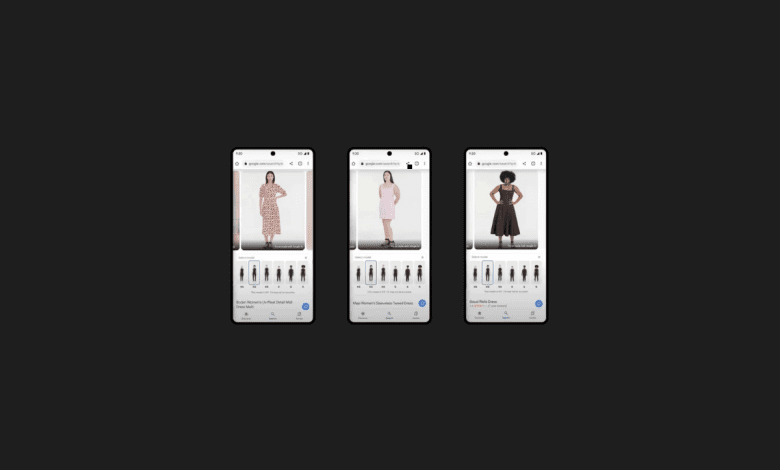

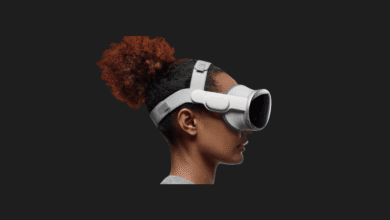
Virtual try-on technologies represent a new era in the digital transformation of the retail sector. Exceeding the limits of the physical store experience, these technologies offer consumers a personalized, fast, and more reliable shopping journey, becoming one of the fundamental elements determining the competitiveness of brands by 2025.
Becoming widespread especially in the fashion, cosmetics, eyewear, shoes, and accessories categories, virtual try-on solutions both reduce return rates in online shopping and offer customers the opportunity to see and evaluate the product realistically before purchasing. This situation accelerates the consumer’s decision-making process while providing brands with a higher conversion rate.
Contribution of Virtual Try-On Technologies to Consumer Experience
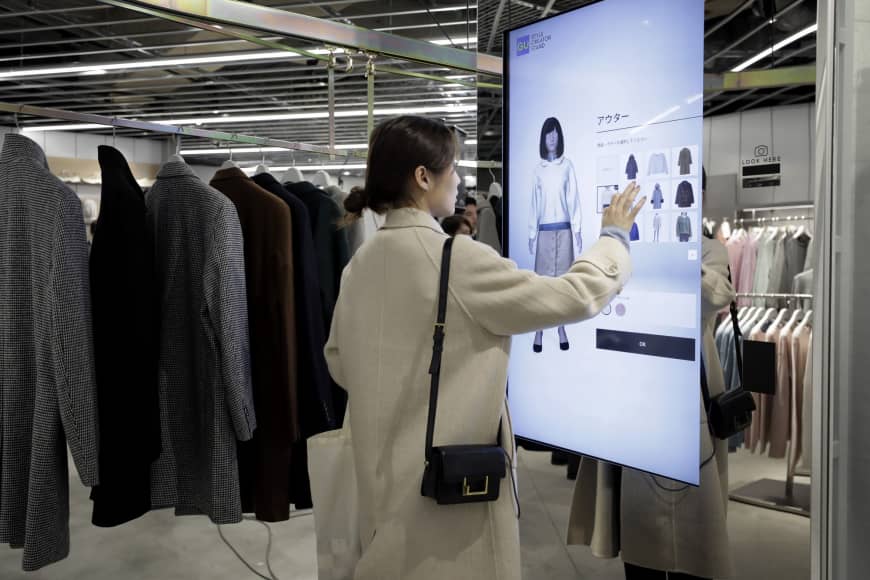
Thanks to artificial intelligence and augmented reality (AR) infrastructures, virtual try-on technologies analyze the consumer’s body measurements and movement patterns, making it possible to experience products as if they were actually wearing them. These systems not only reflect the appearance of the product; they also simulate the flow of the fabric, its harmony with facial features, its relationship with the body form, and the general aesthetics of the product in a way close to reality.
Return rates, which have been a significant cost item in fashion retail for years, are decreasing with the accurate body predictions provided by virtual try-on technology. Sector analyses prepared by institutions such as McKinsey and Deloitte state that conversion rates increase between 20–40% in brands using AR-based virtual try-on solutions, while return rates decrease by up to 25%. These data show that technology not only improves the user experience but also directly contributes to the profitability of brands by optimizing operational costs.
Another important aspect of these technologies is that they allow for better analysis of consumer behavior. Data such as which products users try on virtually, which details they spend more time on, and which colors or cuts they tend towards offer valuable insights to brands. Thus, product development processes are shaped by more accurate data; strategic steps such as inventory management, collection planning, and pricing are based on a healthier foundation.
Virtual try-on also increases accessibility; consumers who do not have the opportunity to go to a physical store can shop without limitations. This situation fits well with the preferences of young consumers and Generation Z because this audience adopts a digital experience-oriented shopping model.
The Rise of Metaverse Stores and the Next Generation Retail Experience
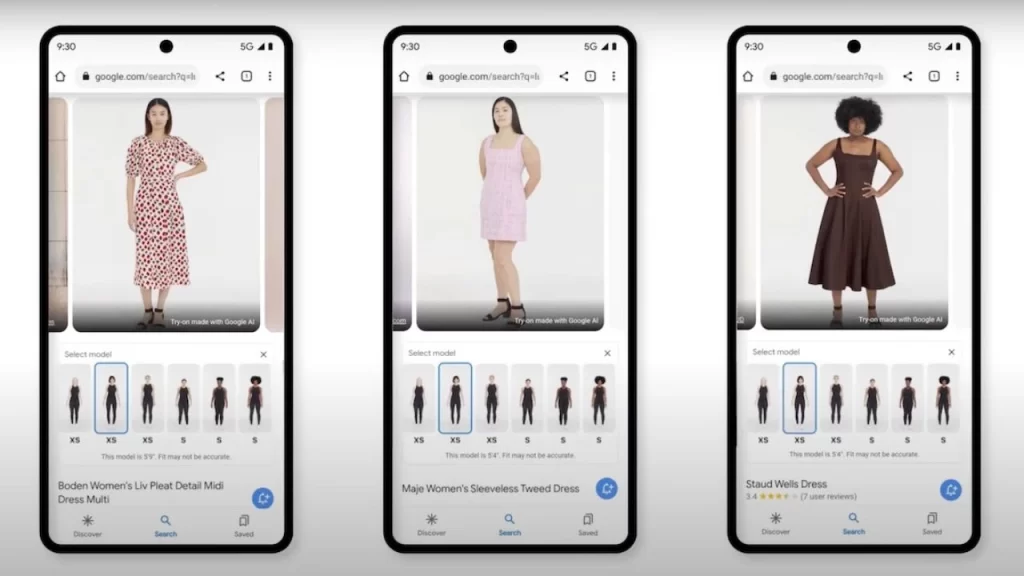
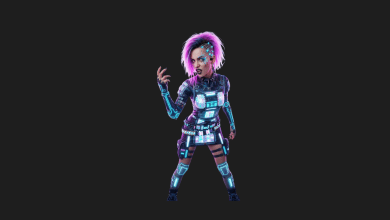
Metaverse stores are considered the next step of virtual try-on technologies. Brands offer consumers an interactive shopping experience in 3D virtual store universes; users can wander around the store with their avatars, examine products, see how they look on them with the virtual try-on feature, and purchase via payment systems integrated into the real world.
One of the most striking advantages of Metaverse stores is that they completely eliminate physical store constraints. Store design, product display style, experience areas, and brand communication can be created without being bound by physical limits. Thus, brands can design a much more creative and impressive customer journey.
Since it is possible to organize events, fashion shows, special collection launches, brand collaborations, and digital events in these virtual universes, the bond the customer establishes with the brand becomes stronger. For example, as of 2025, many global fashion brands promote their collections for the first time in metaverse stores, both increasing digital product sales and triggering demand for physical collections.
Reports published by consulting firms such as PwC and Accenture show that metaverse retail will be one of the main components of omnichannel shopping strategies in the next five years and will become a structure that complements physical stores in terms of customer engagement. Brands gain the opportunity to offer more effective campaigns and personalized recommendations by analyzing users’ behavior in metaverse stores.
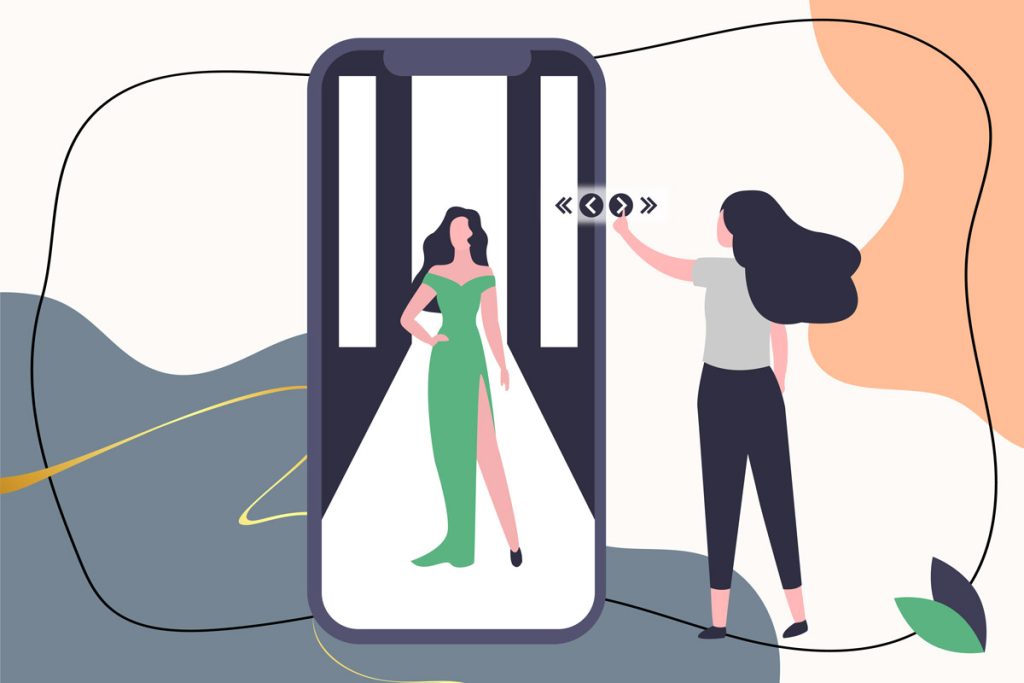
Virtual try-on technology is positioned at the center of metaverse stores. Because experiencing products in these virtual universes becomes the most critical step affecting the user’s purchasing decision. Consumers who experience products one-to-one realistically approach the purchasing process with more confidence.
Thus, both brand loyalty increases and the rate of users returning to the store rises. Virtual try-on and metaverse stores are advancing together to form the retail ecosystem of the future; digital and physical experience combine to create a hybrid shopping model.
You Might Also Like;